Table of Contents
Overview of Horizontal Spooling Machines
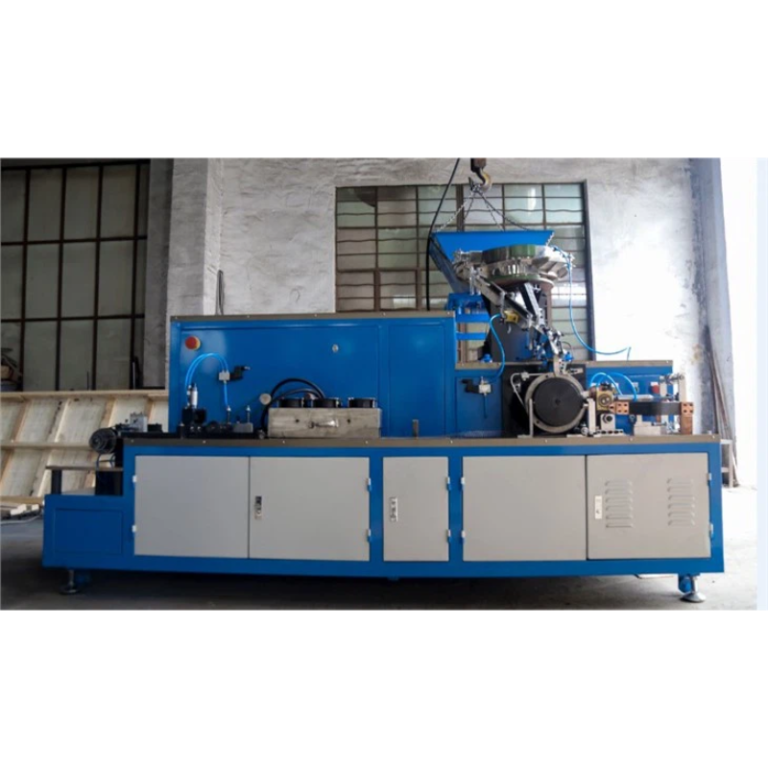
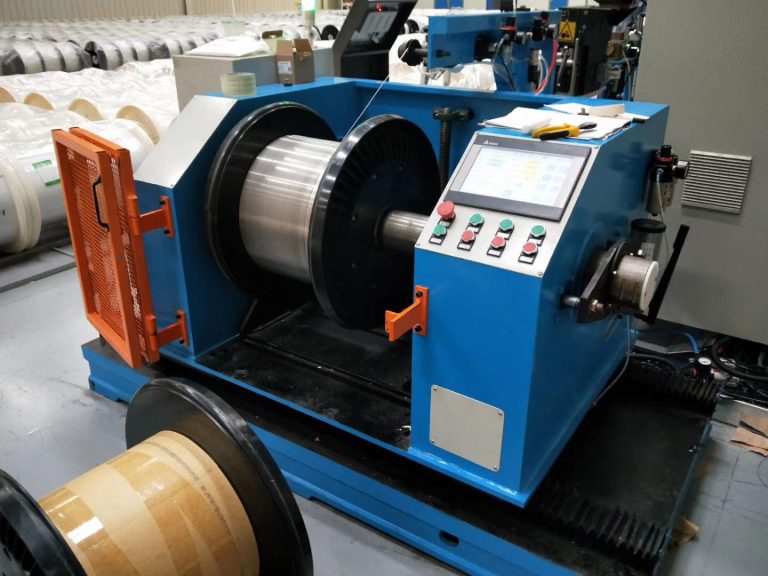
Horizontal spooling machines are essential equipment in the metal wire processing industry, designed to efficiently wind wire onto spools. These machines are particularly favored for their ability to handle various wire materials, including steel, copper, and aluminum. By maintaining uniform tension and speed during the spooling process, they contribute to higher quality end products.
One of the primary advantages of horizontal spooling machines is their space-saving design. Unlike traditional vertical spooling machines, which can occupy considerable floor space, horizontal models can be installed in tighter areas without sacrificing performance. This compactness makes them ideal for factories seeking to optimize their production layouts.
Key Features and Benefits
Modern horizontal spooling machines come equipped with advanced features such as programmable control systems, which allow operators to customize spooling parameters according to the specific requirements of different wire types. This adaptability enhances the efficiency of production runs and minimizes waste, as machines can be quickly adjusted for varying spool sizes and wire gauges.
Furthermore, these machines often incorporate safety mechanisms, including automatic shut-off systems that activate in case of malfunctions. Such features not only protect the machinery but also ensure operator safety, making horizontal spooling machines a reliable choice for manufacturers aiming to maintain high safety standards in their facilities.
Maintenance and Operational Considerations
To ensure optimal performance, regular maintenance of horizontal spooling machines is critical. Operators should perform routine checks on components such as spool holders, tension controls, and drive systems. Keeping these parts in good condition helps prevent downtime and prolongs the lifespan of the machine.
Training personnel to operate these machines effectively is also vital. Properly trained operators can troubleshoot minor issues and make necessary adjustments, thereby enhancing overall productivity. Investing in training programs can yield significant returns by reducing the likelihood of errors and improving the quality of the finished product.